Understanding UK Landlord Compliance with Electrical Safety Regulations
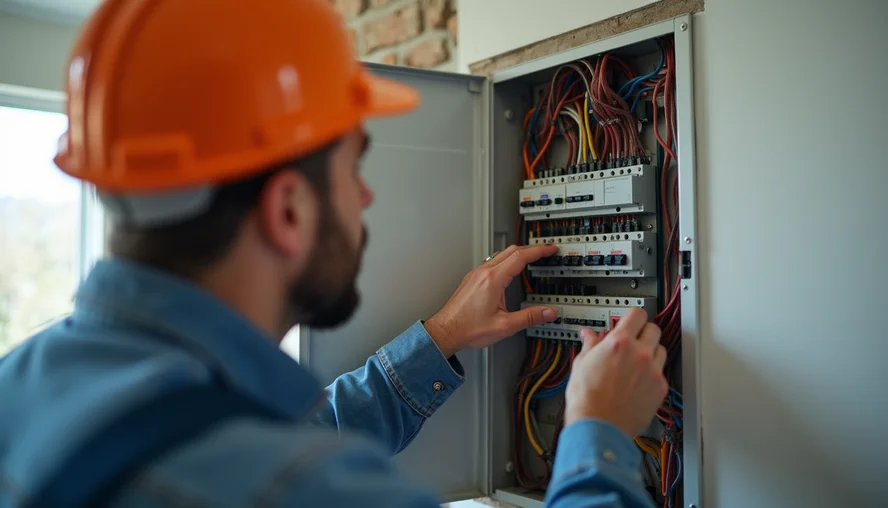
Electrical safety is a critical concern for landlords in the UK. Ensuring that rental properties meet legal requirements protects tenants from hazards and helps landlords avoid penalties. This post explains what UK landlords must do to comply with electrical safety regulations, why these rules matter, and practical steps landlords can take to stay on the right side of the law.
Why Electrical Safety Matters for Landlords
Electrical faults cause thousands of accidents and fires every year in the UK. For landlords, failing to maintain safe electrical installations can lead to serious consequences:
Risk to tenant safety : Faulty wiring or appliances can cause shocks, burns, or fires.
Legal penalties : Non-compliance can result in fines up to £30,000 or imprisonment.
Insurance issues : Insurance claims may be denied if safety regulations are ignored.
Reputation damage : Unsafe properties harm landlord credibility and tenant trust.
The government introduced specific regulations to improve electrical safety in rental homes. Understanding these rules helps landlords protect tenants and their investments.
Key Electrical Safety Regulations for UK Landlords
The main legal framework governing electrical safety in rental properties includes:
The Electrical Safety Standards in the Private Rented Sector (England) Regulations 2020
This regulation requires landlords in England to:
Have electrical installations inspected and tested by a qualified person at least every 5 years.
Obtain an Electrical Installation Condition Report (EICR) after each inspection.
Provide a copy of the EICR to tenants within 28 days of the inspection.
Submit a copy of the EICR to the local housing authority within 7 days if requested.
Carry out any remedial work identified as necessary within 28 days or sooner if urgent.
Other Relevant Regulations
The Housing Health and Safety Rating System (HHSRS) : Local authorities can take action if electrical hazards pose a risk to tenants.
The Landlord and Tenant Act 1985 : Requires landlords to keep electrical installations in good repair.
The Electrical Equipment (Safety) Regulations 2016 : Applies to electrical appliances provided by landlords, ensuring they are safe to use.
What Landlords Must Do to Comply
Arrange Regular Electrical Inspections
Landlords must hire a qualified electrician or a registered electrical safety professional to carry out inspections. The inspection involves:
Testing wiring, sockets, switches, and consumer units.
Checking for signs of wear, damage, or outdated components.
Testing fixed electrical equipment for safety and functionality.
Obtain and Keep an EICR
The Electrical Installation Condition Report documents the inspection results. It includes:
Details of the installation.
Test results.
Any defects or issues found.
Recommendations for remedial work.
Landlords should keep copies of all EICRs for at least 5 years.
Share Reports with Tenants and Authorities
Providing tenants with the EICR helps them understand the safety of their home. Local authorities may request these reports to ensure compliance.
Complete Required Repairs Promptly
If the EICR identifies issues, landlords must fix them within the specified timeframe. Urgent problems, such as exposed wiring or faulty circuits, require immediate attention.
Maintain Electrical Appliances
If landlords supply appliances like cookers or heaters, they must ensure these are safe and regularly maintained.
Practical Tips for Landlords
Use qualified professionals : Always hire electricians registered with a competent person scheme such as NICEIC or NAPIT.
Schedule inspections ahead : Plan inspections well before the 5-year deadline to avoid last-minute issues.
Keep clear records : Store all reports, receipts, and correspondence related to electrical safety.
Inform tenants : Explain the importance of electrical safety and encourage reporting any faults immediately.
Check new tenants’ electrical equipment : Ensure any tenant-supplied appliances are safe to use.
Common Challenges and How to Overcome Them
Finding Reliable Electricians
Landlords may struggle to find trustworthy electricians. Recommendations from local landlord associations or checking online reviews can help.
Managing Costs
Electrical inspections and repairs can be costly. Budgeting for these expenses as part of property maintenance avoids surprises.
Understanding Technical Reports
EICRs can be technical. Landlords should ask electricians to explain findings in plain language and clarify what repairs are needed.
Case Example
A landlord in Manchester rented out a flat without an up-to-date electrical inspection. After a tenant reported flickering lights, an inspection revealed faulty wiring. The landlord faced a £20,000 fine and had to carry out urgent repairs. This situation could have been avoided by scheduling regular inspections and acting on reports promptly.