Resolving Tenant Deposit Disputes Effectively: A Practical Guide for Property Professionals
Disputes over tenant deposits frequently arise in the lettings sector, often causing frustration and delays. These disagreements can jeopardise relationships and lead to costly legal proceedings if not managed properly. It is essential to approach such conflicts with a clear, methodical strategy that prioritises fairness and compliance with legal requirements. This article provides a comprehensive overview of effective methods to resolve tenant deposit disputes, ensuring that landlords, letting agents, and property managers can protect their interests while maintaining professional standards.
Understanding the Importance of Resolving Deposit Disputes
Tenant deposits serve as financial security for landlords against potential damages or unpaid rent. However, disputes commonly occur when tenants contest deductions or the withholding of their deposit. Resolving these disputes promptly and fairly is crucial to avoid escalation and maintain trust.
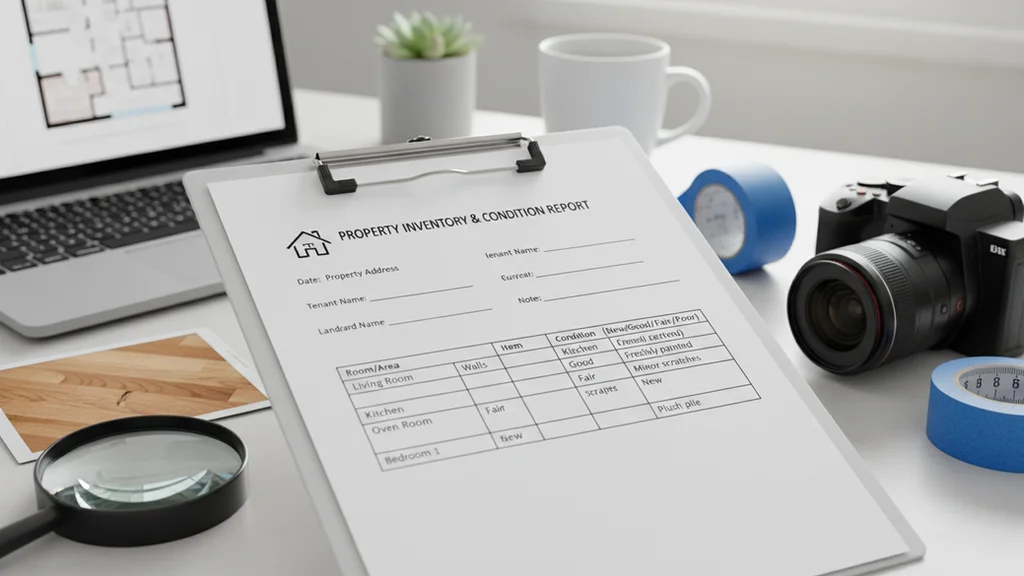
A well-documented inventory report, conducted at the start and end of a tenancy, is indispensable. It provides an objective record of the property's condition, which can be referenced during disputes. Detailed photographic evidence and written descriptions reduce ambiguity and support claims for legitimate deductions.
Effective communication is also vital. Clear explanations of any deductions, supported by evidence, help tenants understand the reasons behind withholding part or all of their deposit. This transparency often prevents misunderstandings and encourages amicable resolutions.
Best Practices for Resolving Deposit Disputes
Resolving deposit disputes requires adherence to legal frameworks and best practices. The following steps are recommended:
Timely Return of Deposit : Deposits should be returned within the statutory timeframe, typically 10 to 30 days after tenancy ends, depending on jurisdiction. Delays can increase tenant dissatisfaction and complicate dispute resolution.
Clear Documentation : Maintain comprehensive records including the tenancy agreement, inventory reports, correspondence, and receipts for repairs or cleaning. These documents form the backbone of any dispute resolution process.
Open Dialogue : Engage with tenants promptly upon receiving a dispute. Listening to their concerns and providing clear, evidence-based responses can often resolve issues without formal intervention.
Use of Deposit Protection Schemes : Ensure deposits are registered with a government-approved tenancy deposit scheme. These schemes offer dispute resolution services that are impartial and legally binding, reducing the need for court action.
Professional Inventory Clerks : Employing expert inventory clerks ensures that property condition reports are accurate and impartial. This professional approach strengthens the landlord’s position in disputes.
By following these practices, property professionals can minimise conflicts and foster smoother tenancy transitions.
How do you win a tenancy deposit dispute?
Winning a tenancy deposit dispute hinges on the ability to present clear, objective evidence that justifies any deductions made. The following strategies are essential:
Comprehensive Evidence : Present detailed inventory reports, photographs, and receipts. Evidence should clearly demonstrate the condition of the property at the start and end of the tenancy, highlighting any damage beyond normal wear and tear.
Legal Compliance : Ensure all actions comply with relevant tenancy laws and deposit protection regulations. Non-compliance can result in automatic penalties or loss of the right to withhold any deposit.
Reasonable Deductions : Only claim for costs that are fair and justifiable. Excessive or vague deductions are likely to be rejected by dispute resolution services or courts.
Professional Communication : Maintain a professional tone in all correspondence. Avoid emotional language and focus on facts and evidence.
Utilise Dispute Resolution Services : If direct negotiation fails, submit the case to the tenancy deposit scheme’s dispute resolution service. This impartial process evaluates evidence and issues a binding decision.
Adhering to these principles increases the likelihood of a favourable outcome while preserving professional integrity.

Common Causes of Tenant Deposit Disputes and How to Avoid Them
Understanding the typical causes of deposit disputes can help prevent them from arising. Common issues include:
Disagreements Over Property Condition : Tenants may dispute claims of damage or cleanliness. Prevent this by conducting thorough check-in and check-out inspections with photographic evidence.
Unclear or Missing Documentation : Lack of detailed inventory reports or tenancy agreements can lead to confusion. Ensure all documents are complete, signed, and stored securely.
Failure to Register Deposits : Deposits not protected in a recognised scheme can result in automatic penalties and disputes. Always register deposits promptly.
Delays in Returning Deposits : Late returns frustrate tenants and may trigger formal complaints. Establish clear timelines and adhere to them strictly.
Disputes Over Normal Wear and Tear : Differentiating between damage and normal wear requires expertise. Use professional inventory clerks to provide objective assessments.
By proactively addressing these issues, property professionals can reduce the incidence of disputes and enhance tenant satisfaction.
Practical Recommendations for Property Professionals
To effectively manage and resolve tenant deposit disputes, the following actionable recommendations are advised:
Engage Expert Inventory Clerks : Outsourcing inventory services to specialists ensures impartial, detailed reports that withstand scrutiny.
Educate Tenants at the Start : Clearly explain deposit terms, protection schemes, and the process for deductions. Providing written guidelines can prevent misunderstandings.
Maintain Organised Records : Use digital systems to store all tenancy-related documents securely and accessibly.
Respond Promptly to Disputes : Address tenant concerns quickly and professionally to avoid escalation.
Seek Professional Advice When Needed : Consult legal or tenancy experts for complex cases to ensure compliance and best outcomes.
For those seeking further guidance, tenant deposit dispute advice is available through official channels, offering detailed information on rights and responsibilities.
Enhancing Deposit Dispute Resolution Through Professional Services
The role of professional services in deposit dispute resolution cannot be overstated. Companies specialising in inventory and property condition reporting provide invaluable support by delivering:
Accurate, Detailed Reports : These form the foundation of any dispute resolution process.
Impartial Assessments : Neutral third-party evaluations reduce bias and increase credibility.
Compliance Assurance : Professionals ensure that reports meet legal standards and industry best practices.
Time and Cost Efficiency : Outsourcing reduces administrative burdens and potential legal costs.
By integrating professional inventory services into tenancy management, landlords and agents can safeguard their investments and streamline dispute resolution.

Resolving tenant deposit disputes effectively requires a combination of thorough documentation, clear communication, legal compliance, and professional support. By implementing these strategies, property professionals can protect their interests, maintain positive tenant relationships, and uphold the integrity of tenancy agreements.